How San Antonio Missions National Historical Park Offers Architectural Beauty
Uncover the Wealthy Past and Stunning Vistas of San Antonio Missions National Historical Park
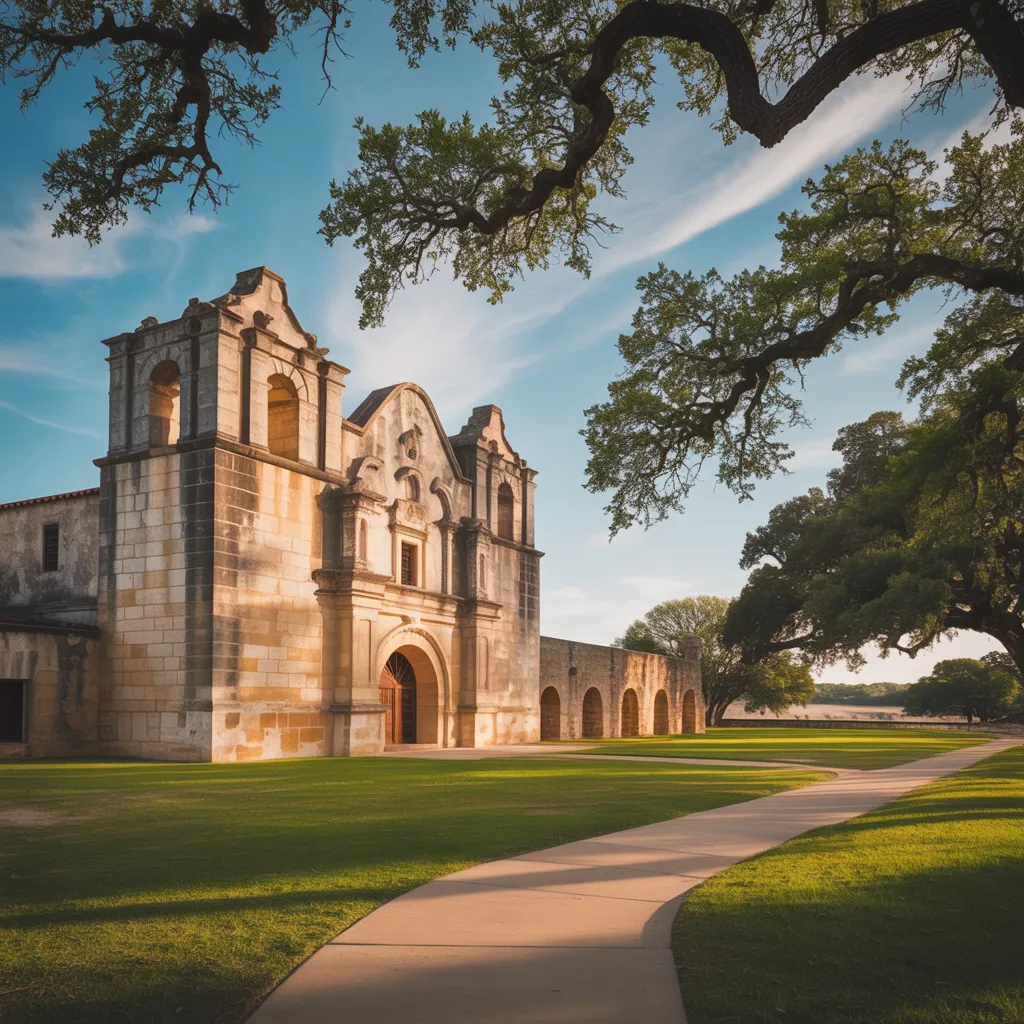
San Antonio Missions National Historical Park stands as a testament to the 18th-century Spanish colonization in North America. Its missions functioned not only as religious centers but also as hubs of farming advancement. Guests can wander through these historic sites while appreciating the peaceful charm of the nearby natural scenery. The park offers more than just historical content; it invites discovery and involvement. What lies beyond the historic structures and pathways may surprise those who explore deeper.
The Cultural Relevance of the Missions
Although frequently disregarded, the San Antonio Missions hold profound historical significance as vital centers of cultural exchange and religious influence in the 18th century. Established by Spanish colonists, these missions functioned as central hubs for the spread of Christianity among Indigenous populations. They enabled the introduction of European agricultural practices, livestock, and architecture, transforming local ways of life.
The missions also operated as focal points for trade and interpersonal connections, promoting bonds between diverse ethnic communities. Their strategic locations along the San Antonio River facilitated the establishment of a network that unified various communities, supporting both commercial and cultural advancement.
Therefore, the missions represented a vital role in the broader context of Spanish colonization in North America. Today, they stand as a testament to the nuanced interplay of peoples, illustrating the resilience and adaptability of both the Indigenous peoples and the Spanish settlers in this documented narrative.
Each site within the San Antonio Missions National Historical Park offers unique insights into the region's colonial heritage. Mission San Antonio de Padua, Mission San José y San Miguel de Aguayo, and Mission Concepción each showcase different architectural styles and historical accounts. By visiting these historic structures, tourists can develop a greater appreciation of their cultural and historical importance.
Mission San Antonio De Padua exemplifies a important part of California's historical era. Founded in 1771, this European spiritual institution played a vital role in converting indigenous populations. The impressive layout and upkeep of the structures render it a worthwhile destination for heritage enthusiasts.
Mission San Antonio de Padua, one of the ancient missions in California, stands as a tribute to the region's vibrant past and cultural legacy. Established in 1771, it was the 3rd mission created by Spanish Franciscan missionaries. Situated in a scenic valley near the Salinas River, it showcases stunning architecture, featuring a charming adobe church distinguished by its distinctive bell tower. The mission functioned as a crucial agricultural hub, greatly impacting the local economy and community. Its meticulously maintained grounds, displaying gardens and historic structures, encourage visitors to discover the daily lives of the missionaries and Native Americans. Today, Mission San Antonio de Padua remains an essential site for understanding California's early interactions between different cultures and the spread of Christianity.
Mission San José Y San Miguel De Aguayo presents a compelling record to Spanish colonial design and cultural significance.
Dating back to 1720, Mission San José y San Miguel de Aguayo is an historic monument in Texas history, reflecting the blend of Spanish colonial architecture with indigenous culture. Known as the "Queen of the Missions," it acted as a focus for religious, farming, and cultural activities. The mission's elaborate stone carvings, including the famous Rose Window, illustrate the skill of that period. It also housed a granary, a convent, and featured San Antonio Missions National Historical Park entrance fee a well-organized layout that supported community life. Mission San José was key in converting native populations to Christianity while advancing agricultural techniques. Today, it stands as a celebration of the creativity of both Spanish and indigenous peoples, attracting visitors eager to experience its rich heritage.
Mission Concepción Historic Context
Although frequently overlooked by its bigger competitors, Mission Concepción maintains a unique place in the history of Texas' Spanish missions. Established in 1731, it is one of the oldest missions in the area, originally established in East Texas before moving to its current location in San Antonio. The mission is remarkable for its carefully maintained architecture, including a striking stone church displaying a distinctive baroque exterior. Its main goal was to convert the Native American populations, especially the Coahuiltecan tribes. Mission Concepción played an essential role in the spiritual and cultural growth of the area, serving as a hub for agriculture and education. Today, it remains as a monument to the resilience of the mission system and the diverse history of Texas.
Investigating the Natural Landscape
San Antonio Missions National Historical Park demonstrates a magnificent mosaic of mixed flora and fauna that enhances its visual appeal. Picturesque stream routes navigate the setting, granting visitors an chance to appreciate the area's biological richness. This special habitat not only supports wildlife but also stimulates exploration and discovery.
Extensive Flora and Fauna
The ecological terrain of the San Antonio Missions National Historical Park is a vibrant tapestry of diverse flora and fauna that reflects the region's substantial natural inheritance. The park's biological communities span from fertile streamside habitats to arid uplands, maintaining a range of plant species such as mesquite, live oak, and wildflowers. Wildlife flourishes here, with species including deer, coyotes, and numerous birds inhabiting the area. Additionally, the park serves as a critical habitat for migratory birds, making it an essential stopover point. Visitors can observe the intricate relationships between these organisms, as well as the impact of seasonal changes on the landscape. This species diversity not only beautifies the park's beauty but also promotes its ecological significance.
Stunning River Trails
Meandering through the center of the park, the picturesque river trails give visitors an immersive experience of the natural landscape. These trails wind beside the San Antonio River, highlighting the serene beauty of dense greenery and colorful wildflowers. While strolling or cycling along the trails, the sounds of rustling leaves and chirping birds compose a chorus of nature that relaxes the spirit. The trails provide access to various viewpoints, where visitors can pause to admire the peaceful waters and the diverse wildlife inhabiting the area. Along the path, informational signs enhance the journey by providing insights into the region's ecology and history. Altogether, the scenic river trails inspire exploration and a greater appreciation of the park's unique natural heritage.
Trails and Outdoor Recreation
While discovering the extensive heritage of San Antonio Missions National Historical Park, visitors can also immerse themselves in a range of trails and recreational activities. The park features several well-maintained trails that meander through verdant terrain and historic sites, enabling guests to appreciate both nature and history. The Mission Trail, a standout feature, connects all four missions, providing a beautiful path for hiking and biking.
Bird lovers will spot diverse avian species along the park's waterways and open spaces. Additionally, families can relish eating outside in designated areas, where the tranquil backdrop strengthens comfort. For those looking for a intimate bond with nature, nature-focused programs often highlight local flora and fauna, expanding the natural outing. The park's pledge to safeguarding its cultural and environmental treasures provides an ideal backdrop for leisure endeavors, confirming visitors leave with enduring recollections of both excitement and learning.
Traveler Facts and Practical Guidance
Visitors organizing a visit to San Antonio Missions National Historical Park will find useful knowing key information to enrich their visit. The park is open all year, with no entrance fee, making it accessible for all. It is advisable to wear comfortable walking shoes, as exploring the missions and trails can involve a fair amount of walking. Visitors should also take into account the weather, as summer temps can be high; mornings and evenings are often cooler and more enjoyable for outdoor activities.
There is parking accessible near the missions, but it can reach capacity during weekends and holidays. To maximize the visit, it is recommended to begin at the visitor center, where helpful resources and maps are supplied. Also, bringing water and snacks will guarantee a pleasant day of exploration. Lastly, visitors should be respectful of the historical sites, preserving the area clean and complying with park regulations.
Events and Educational Experiences
San Antonio Missions National Historical Park offers a selection of programs and events meant to captivate guests across all age groups. These offerings include guided tours, workshops, and presentations that showcase the rich cultural heritage of the missions. Seasonal events including "Mission Heritage Days" welcome households to experience crafts, music, and cuisine of tradition, building a spirit of togetherness and link to history.
Additionally, the park provides ranger-led talks that analyze the history and significance of the missions, ensuring they are understandable and valuable to all visitors. Educational programs also support school groups, offering tailored activities that align with educational standards. These initiatives support hands-on learning and encourage stewardship of the park's historical resources. By presenting diverse programming, San Antonio Missions National Historical Park assures that every visitor can value the unique stories and natural beauty of this UNESCO World Heritage site.
Commonly Requested Questions
Can Pets Visit San Antonio Missions National Historical Park?
Pets cannot be brought into San Antonio Missions National Historical Park in order to protect the natural environment and maintain visitor safety. However, service animals are welcome, complying with federal regulations for assistance animals in public spaces.
What Are the Park's Hours of Operation Throughout the Year?
The park operates daily from 9 AM to 5 PM, with longer hours available during certain times. Visitors must check the official website for potential changes to hours or special events all year long.
Does the Park Require an Entrance Fee for Guests?
Exploring the park is free of charge, thereby allowing guests to experience its cultural and natural attractions freely. However, gifts are welcomed to help support the park's programs and facilities for future generations.
Can I Camp Overnight in the Park?
Overnight camping is not allowed within the park. Visitors looking for a outdoor adventure must explore nearby campgrounds, which offer lodging and facilities while allowing them to experience the surrounding natural beauty and historical significance.
Can Visitors take escorted tours?
Yes, structured tours are available for visitors. These tours present perspectives into the park's historical significance and architecture, allowing guests to investigate the area with experienced professionals who elevate the experience through informative narratives.